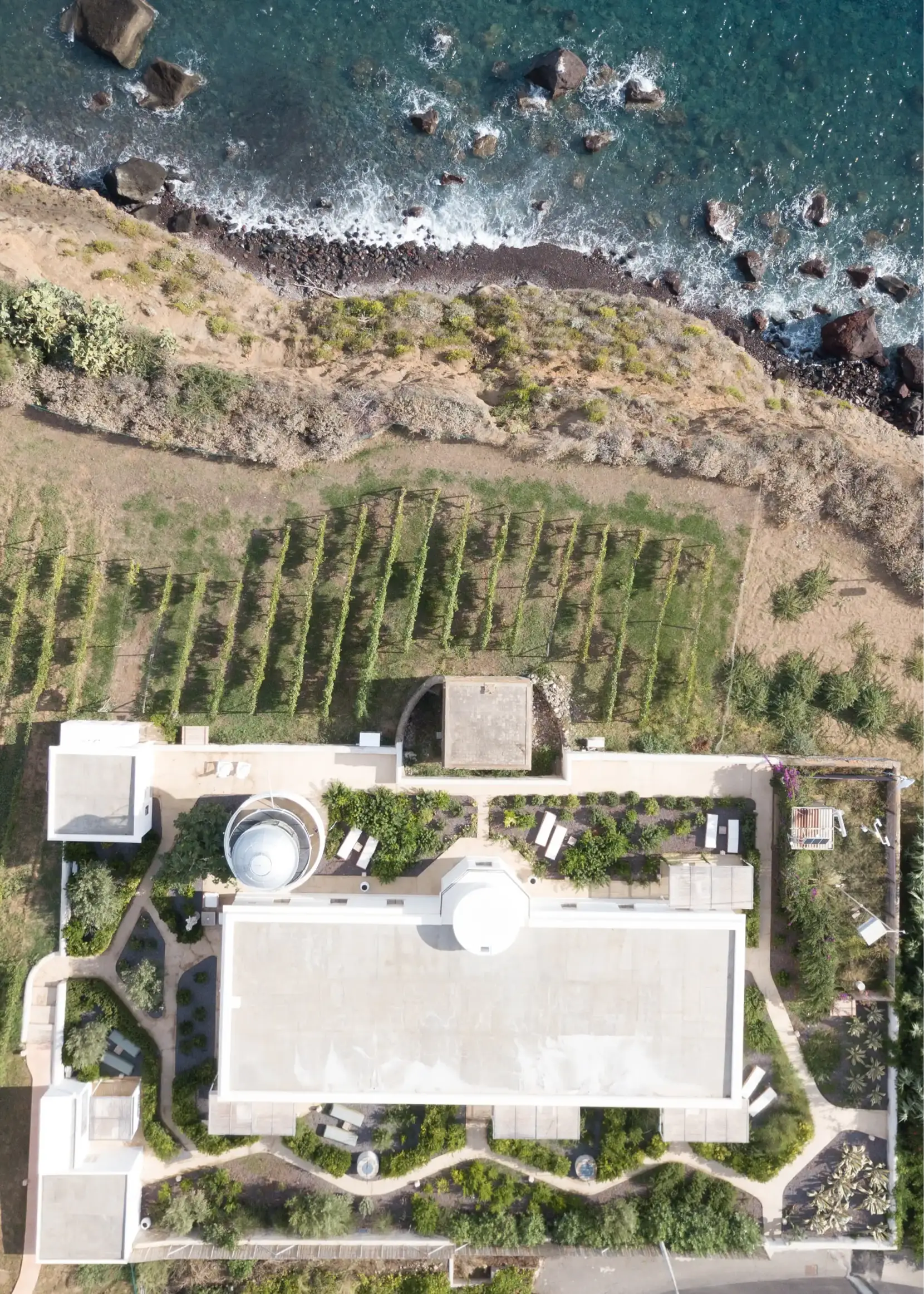
Approach
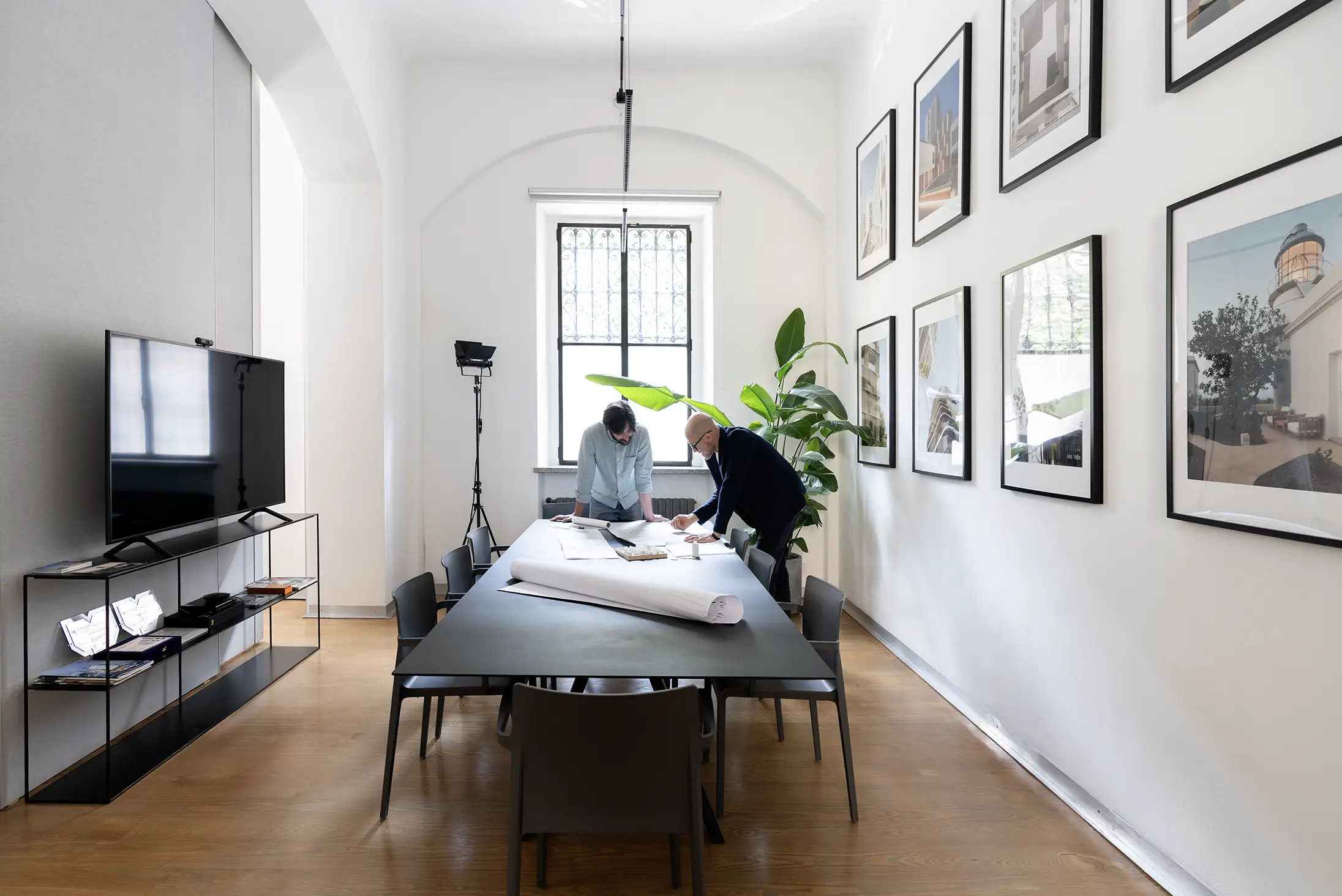
Approach
We believe in a model of architecture responsible for the territory and the environment, sensitive to social dynamics and people’s wellbeing. An ethical and democratic architecture, able to make a contribution to contrasting social inequalities and climate change while promoting the conscious use of resources. An architecture able to listen and respect places and their history, recognising their value and enhancing their potential. We believe that beauty, care of the landscape and valorisation of the territory are real tools for social recovery. They can contribute, at every level, to improve people’s lives, and to activate virtuous processes of place appropriation and cultural identification.
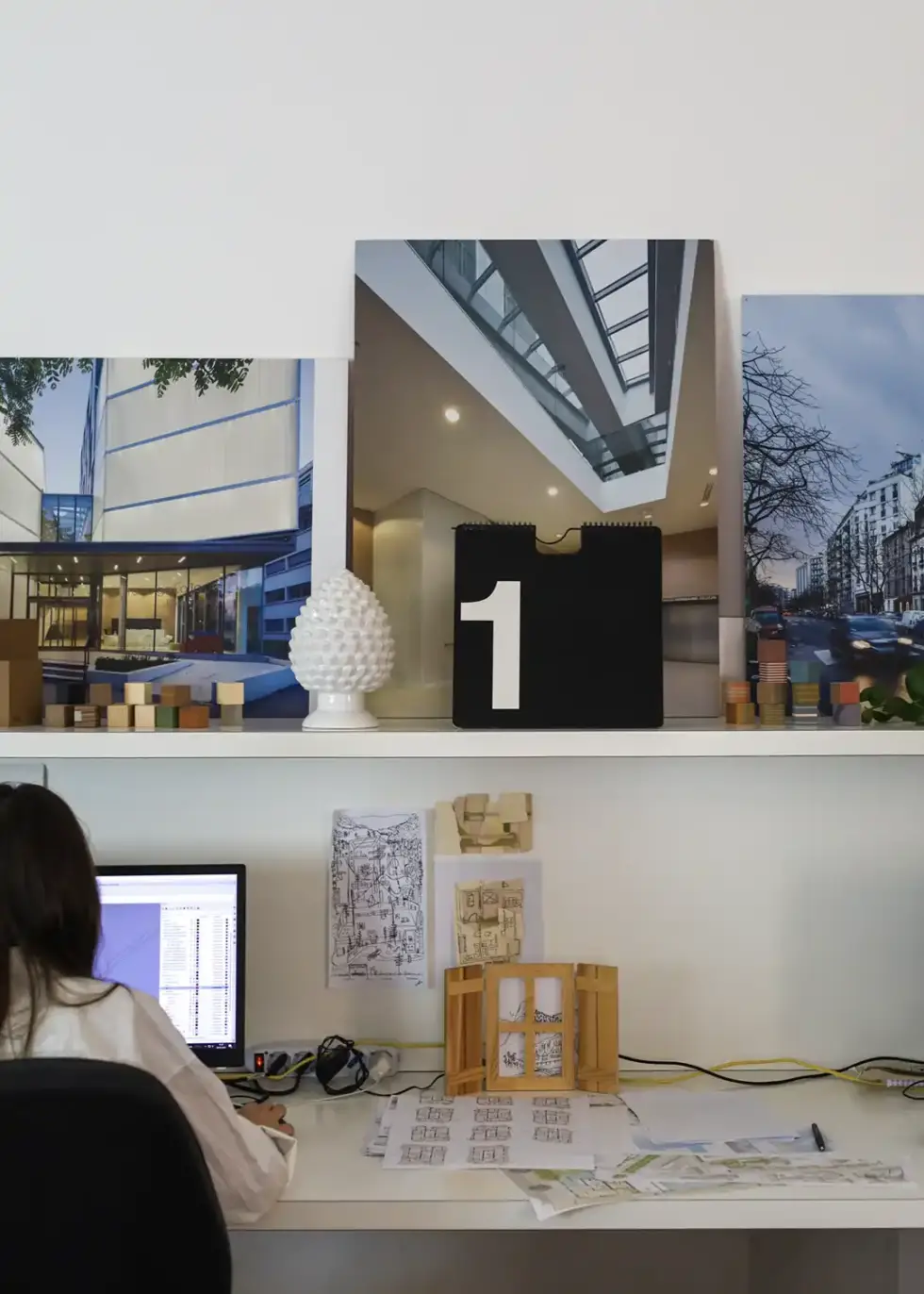
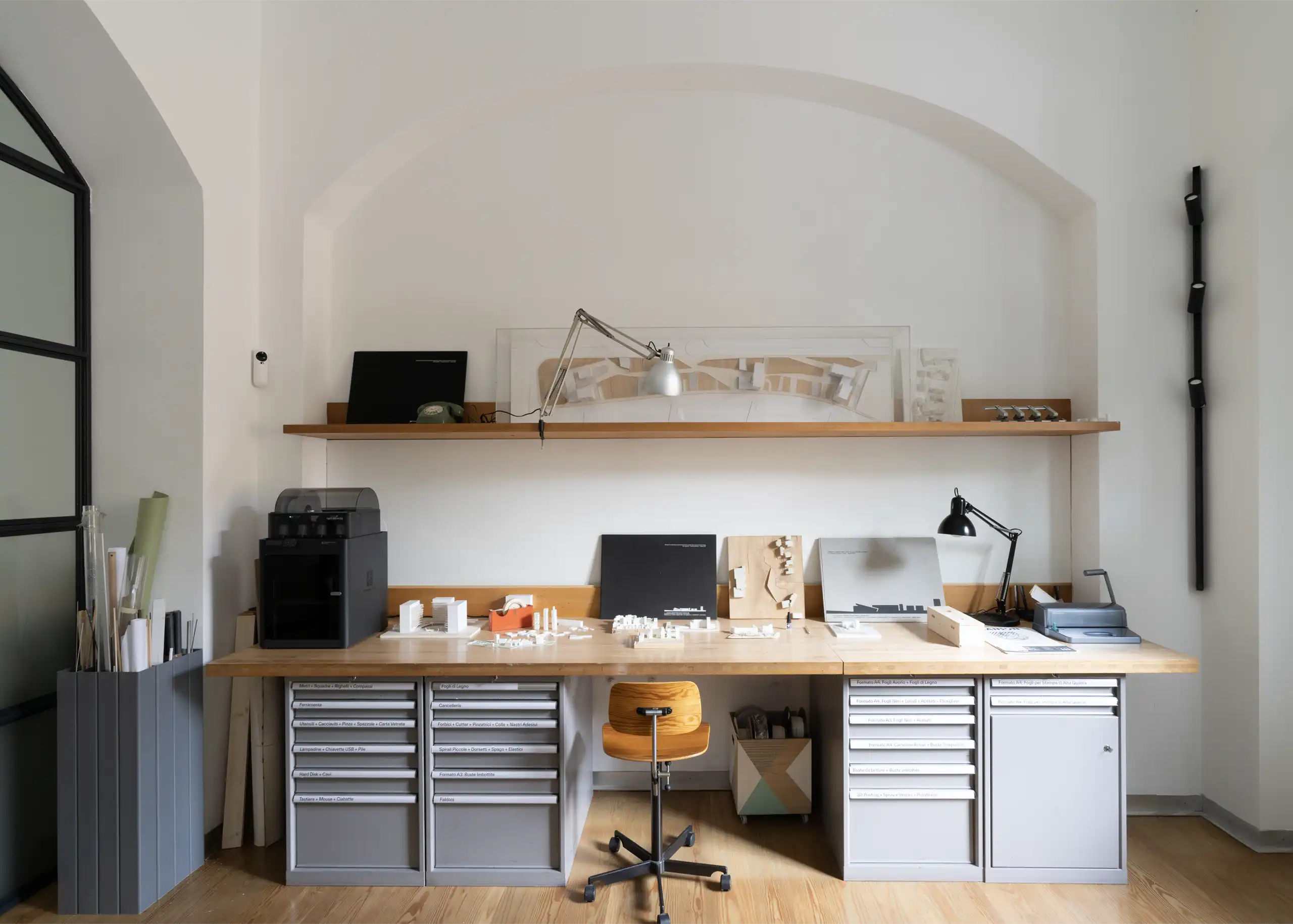
Research on Housing
The firm has been carrying out research on housing for more than twenty years, addressing the subject not only from a typological point of view but also from the perspective of efficiency, environmental and economic sustainability, housing services, amenities and common spaces. Affordable housing is a central theme in our work and has led us to experiment with innovative housing models such as Co-living, Multi-family, and the home-atelier, with constant attention to the quality-sustainability-cost ratio. At a time when the housing emergency is one of the main topics on the European agenda, our commitment is to pursue research on off-site construction systems to implement the housing offer and optimise processes.
Urban design
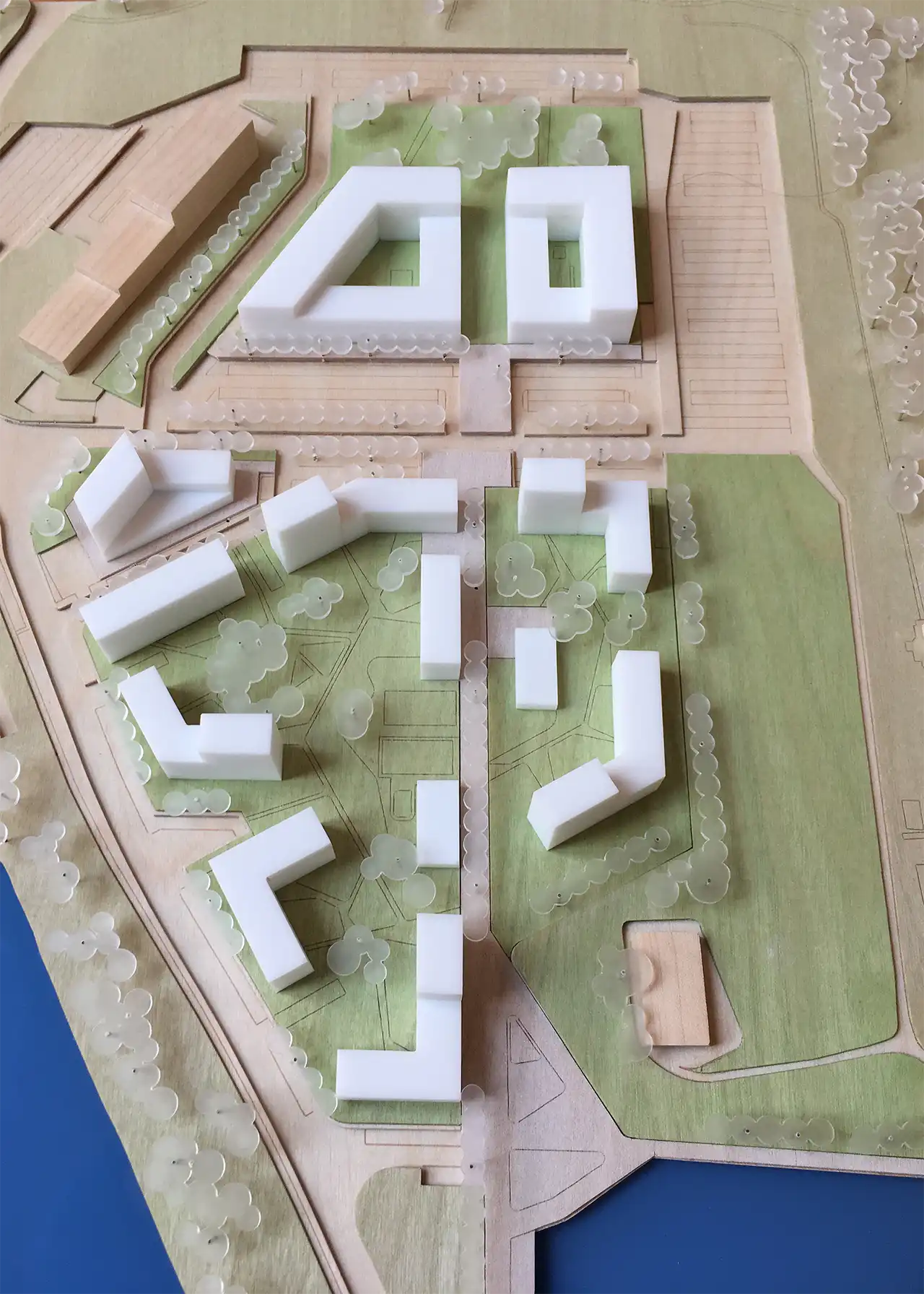
The urban design operates on an intermediate scale between architecture and planning. It is a strategic and fundamental scale of intervention for the development of our cities since it is able to bring together urban, social, historical, landscape and spatial instances.
This is the scale at which we can effectively shape the development of a neighbourhood, a brownfield, a waterfront, avoiding both the abstraction of large-scale planning and the level of detail of architectural design, through an overall vision capable of managing and developing various aspects.
Many contexts in which we work involve urban regeneration. This defines our project approach: acting in places where it is necessary to generate value, propose a mix of uses and create a new identity. In implementation plans and neighbourhood-scale projects our aim is to weave a bond with the city and trigger through our work processes of identification and appropriation that help define a new piece of the city.
Design of the void
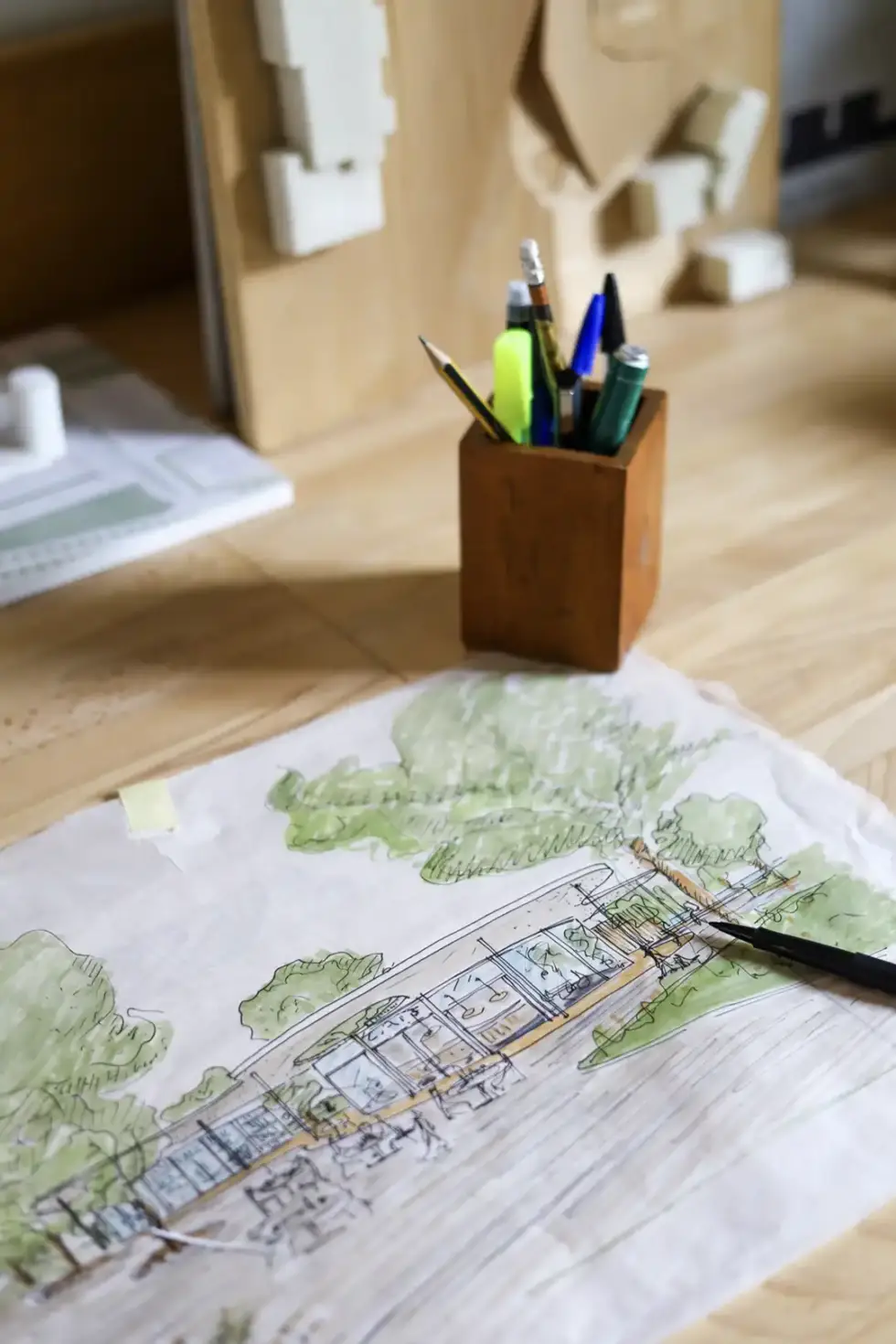
At the centre of our research lies the concept of the void, understood as the intangible space of relationships, fluxes, exchanges, and representation. Our project approach begins with the analysis and definition of this intangible sphere, moving from the negative to the positive. The void shapes the built environment in a cross-reference of relationships, proportions, forms, views, openings, and exposure. In this sense, our design approach does not distinguish Urban Design, Landscape and Architecture. The design process brings all these competences together in a spontaneous way, integrating the different components into a single, continuous, balanced and integrated discourse. Within this approach emerges our attitude to define spaces where society can recognise, rediscover and identify itself. Spaces that are inclusive, democratic, and multicultural.
Sustainability and Nature
An responsible vision to architecture should include environmental protection of the environment, the reduction of consumption and CO2 emissions, and a sustainable project approach to our planet. The integration between built environment and nature, and the strong landscape component that characterises our work, are among the key contributions we implement. Construction systems and materials selection are another element on which we focus our research, especially through the industrialisation of certain processes, which allows us to reduce the consumption of raw materials. Finally, environmental certifications are an important tool of control and monitoring. Strategies that we deploy together with the passive energy-saving systems inherent in traditional architecture.