Parish Center in Reggiolo
Parish Center in Reggiolo
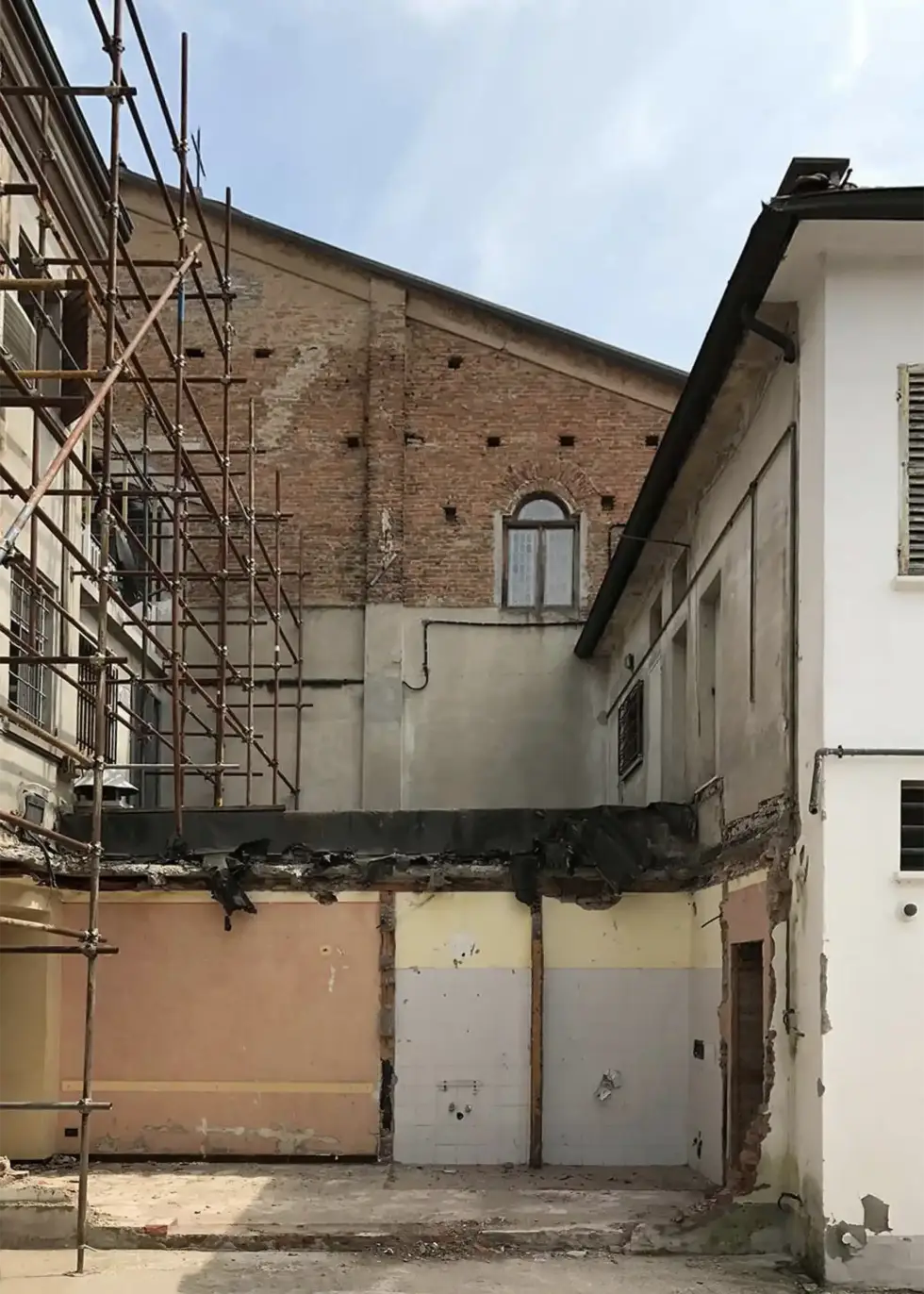
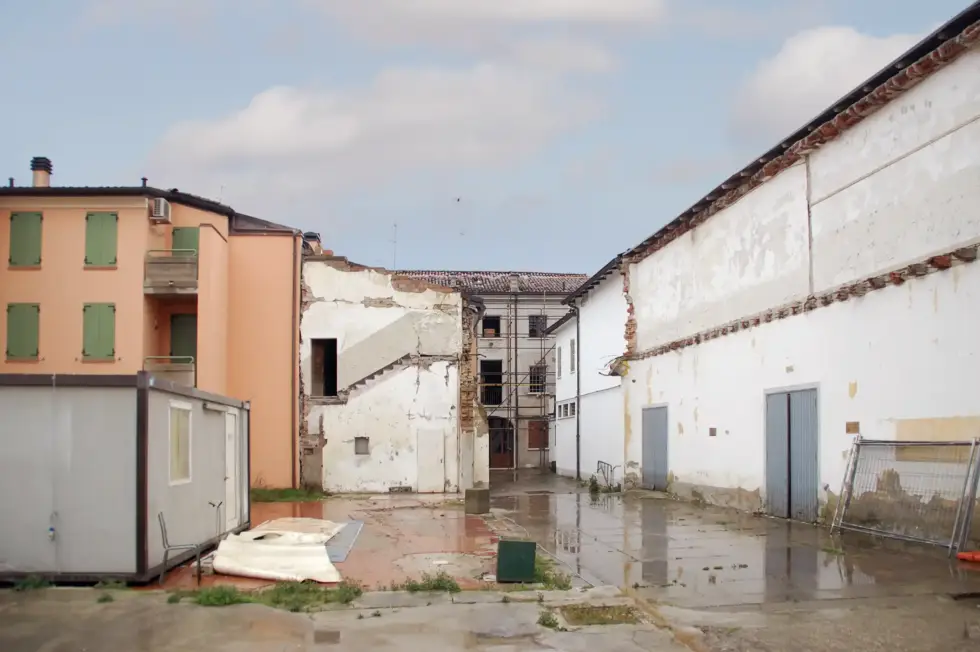
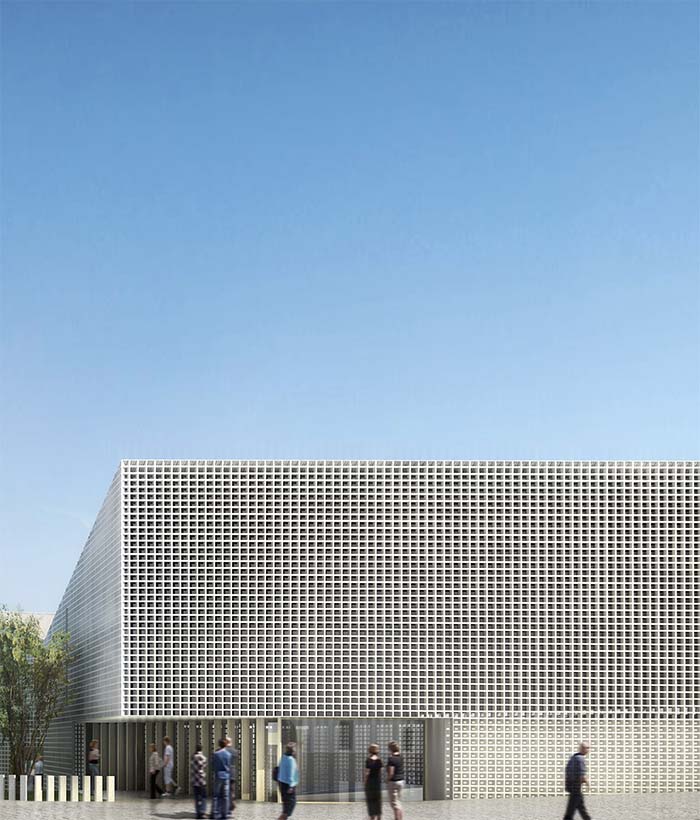
The project for the Reggiolo Parish Centre is the result of a competition organised by the Diocese of Reggio Emilia and Guastalla for the reconstruction of premises destroyed in the 2012 earthquake. Based on an idea of community that finds its values in open spaces and meeting places, the mixed-use building recomposes the urban fabric fragmented by the earthquake.
Data
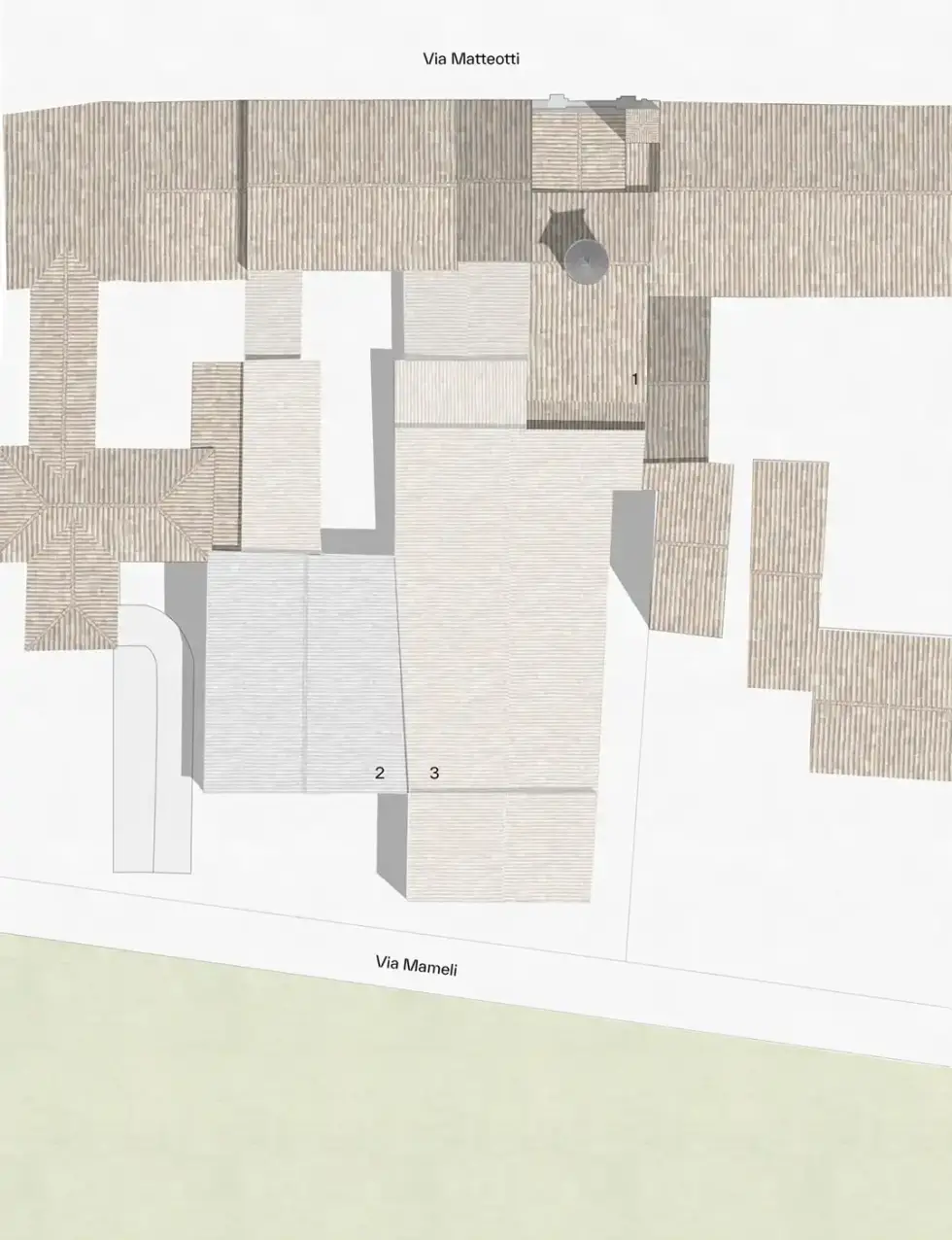
BEFORE EARTHQUAKE
1. Church of San Rocco
2. Context buildings collapsed due to the earthquake
3. Context buildings partially collapsed due to the earthquake and demolished
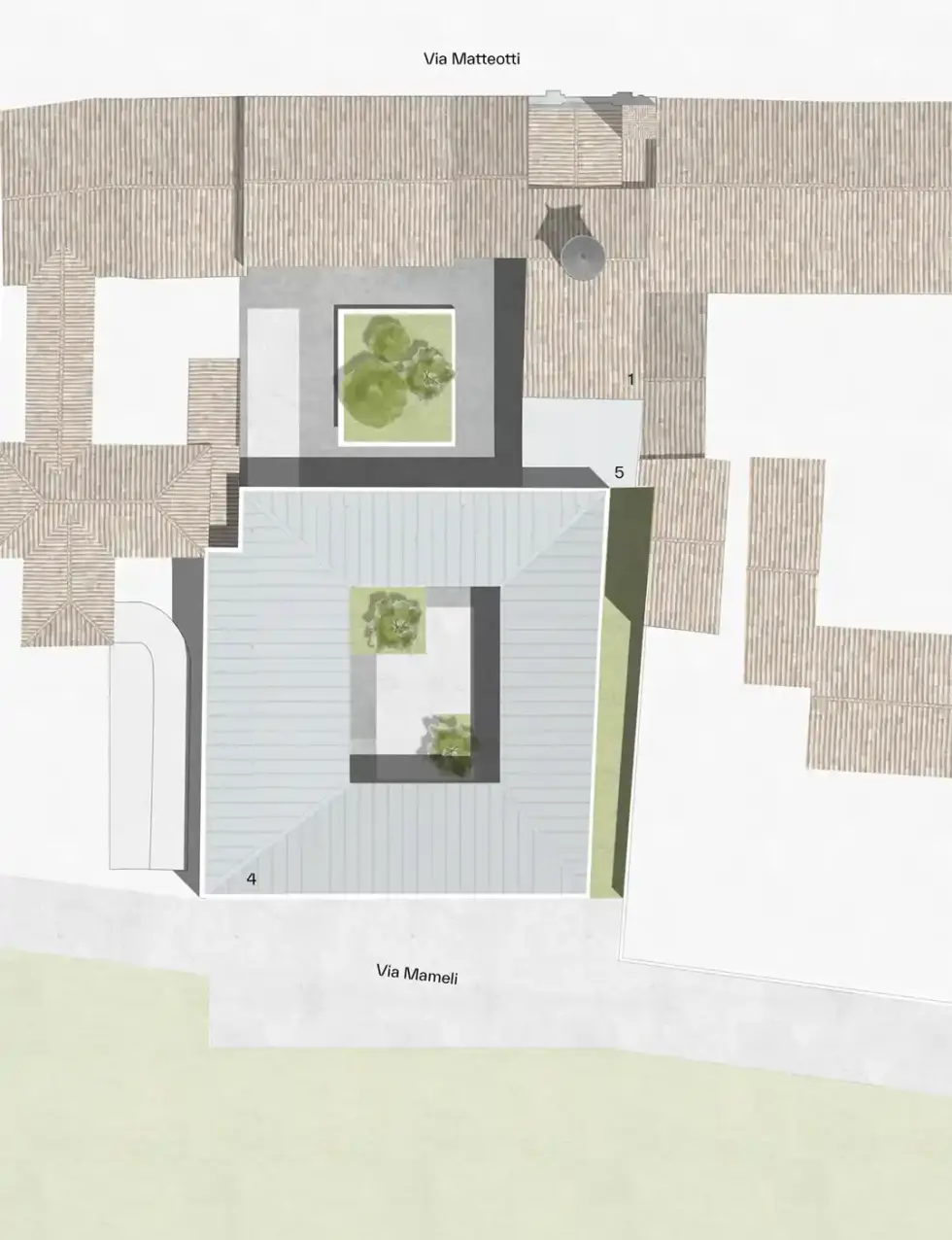
PROJECT
1. Church of San Rocco
4. Project building – parish center and rectory house
5. Project building – Sacristy
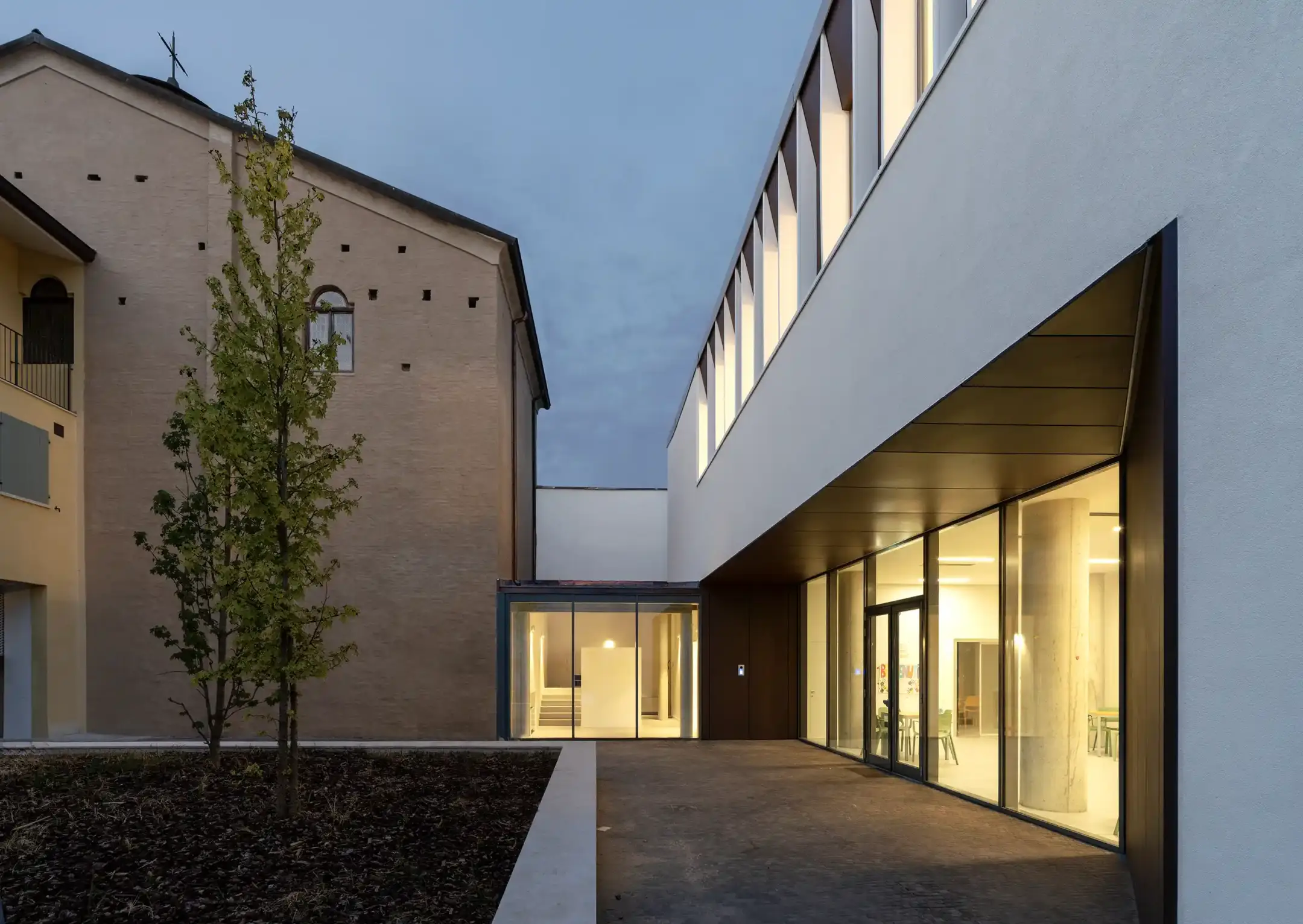
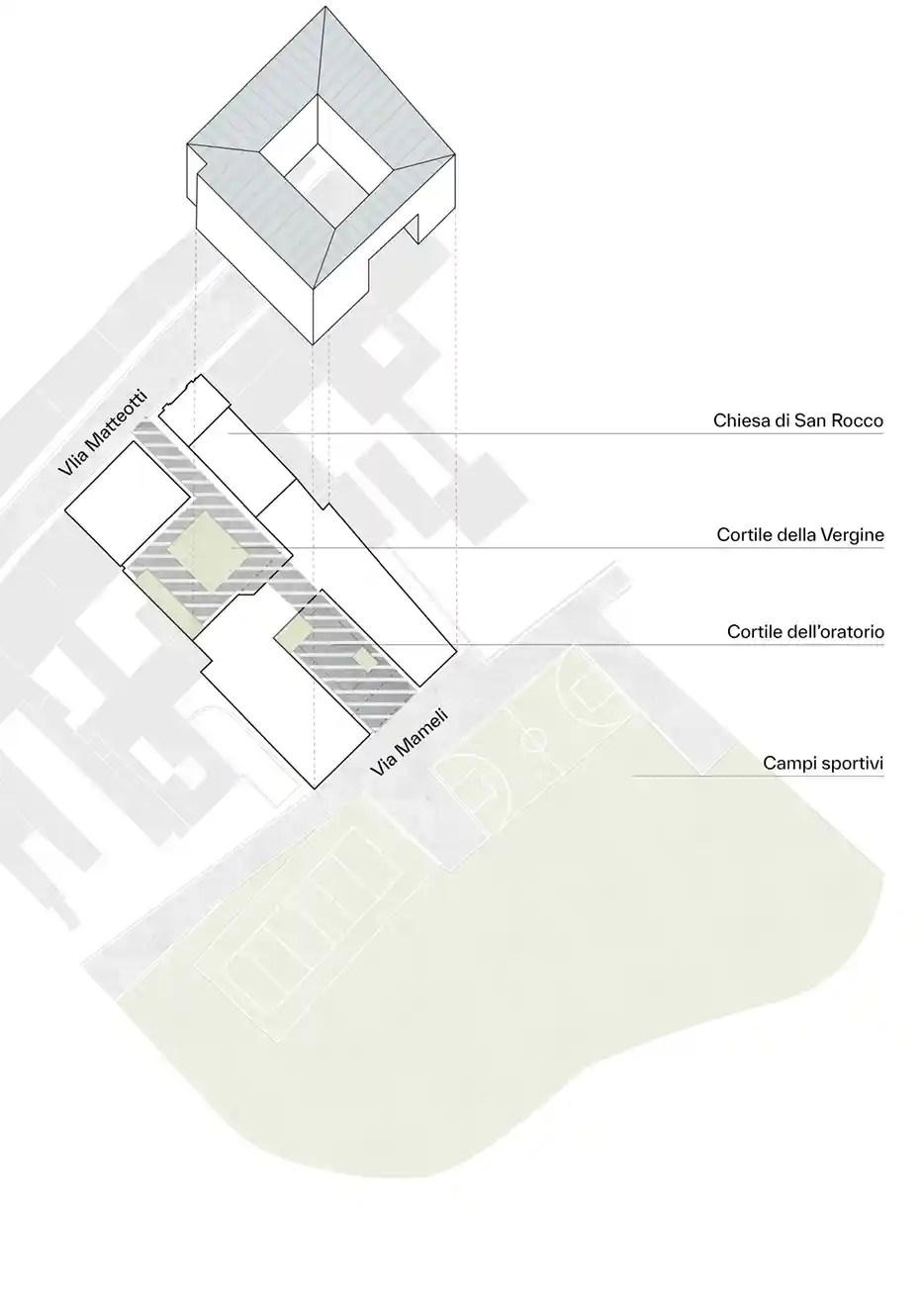
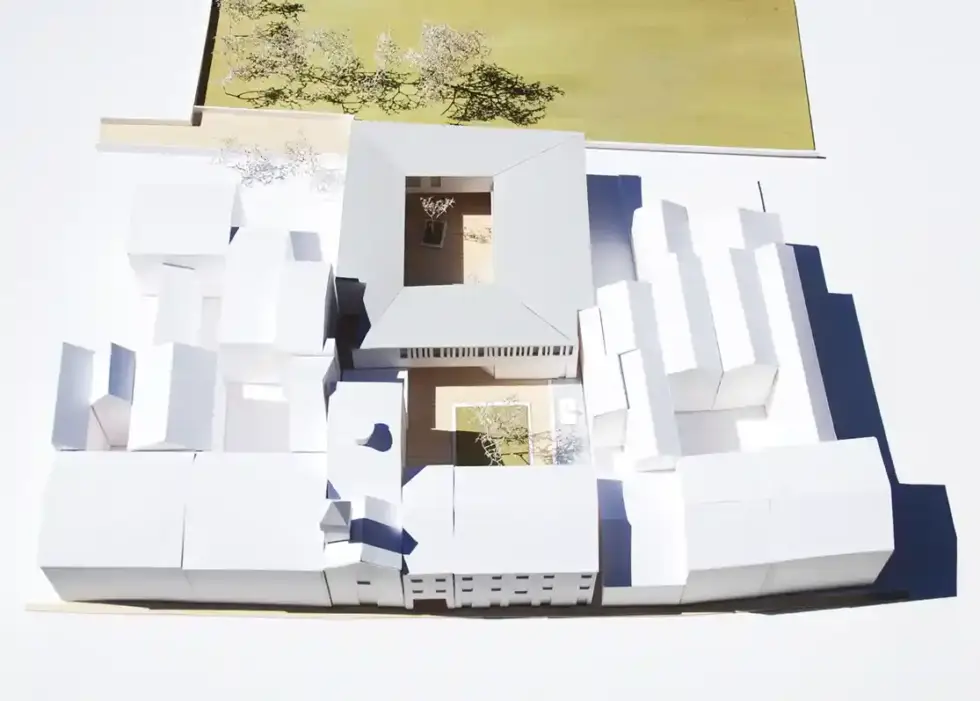
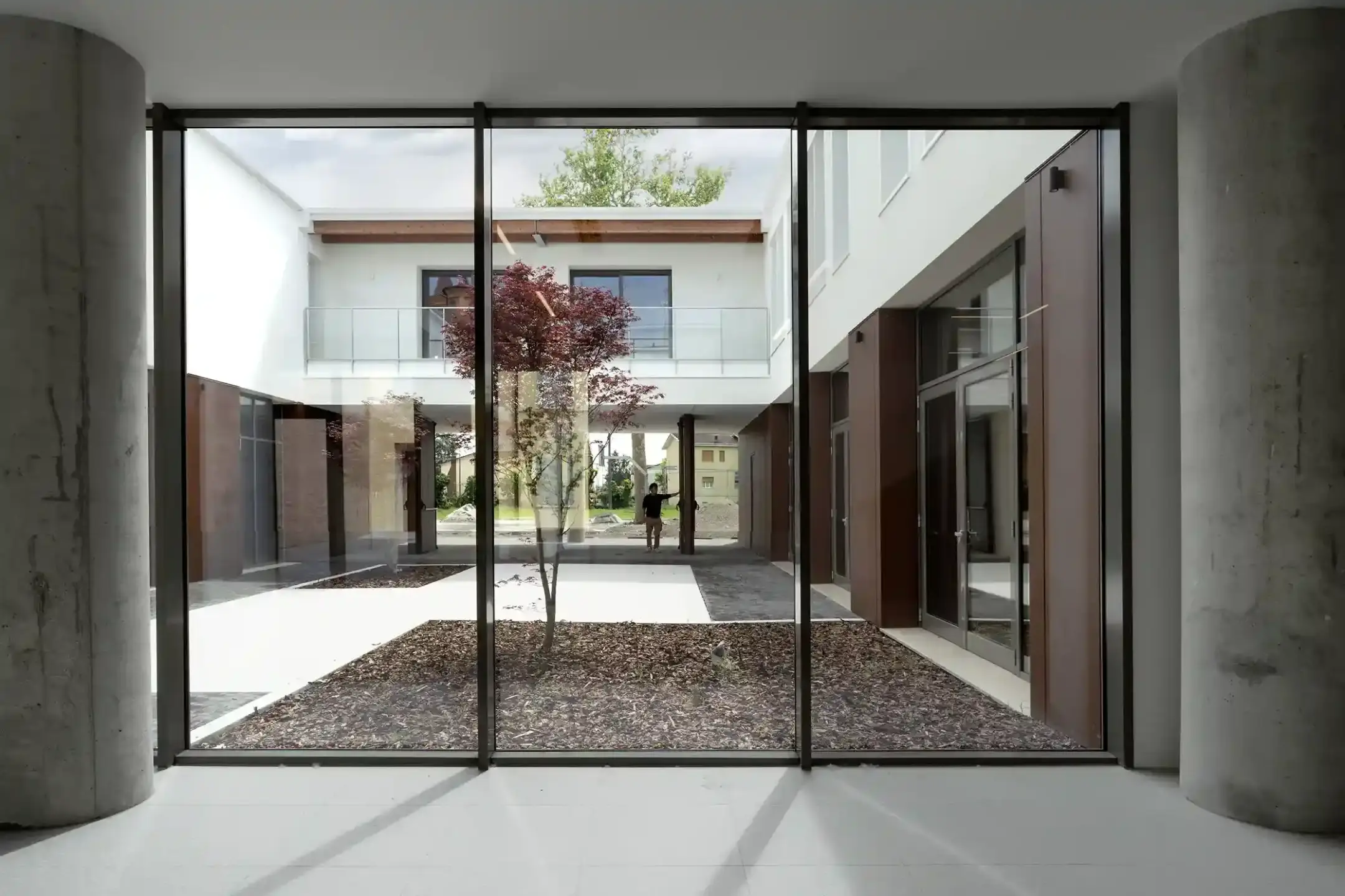
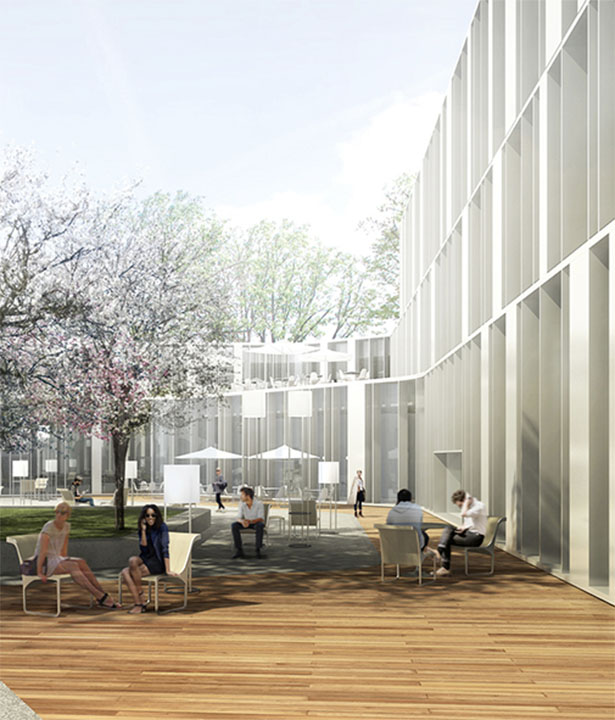
The project provided an opportunity to redefine the urban organisation of this part of Reggiolo’s historical centre, through a sequence of courtyards that connect Via Matteotti to Via Mameli, generating new spatial relations between the church of San Rocco, the historical site of the oratory and the sports and leisure facilities.
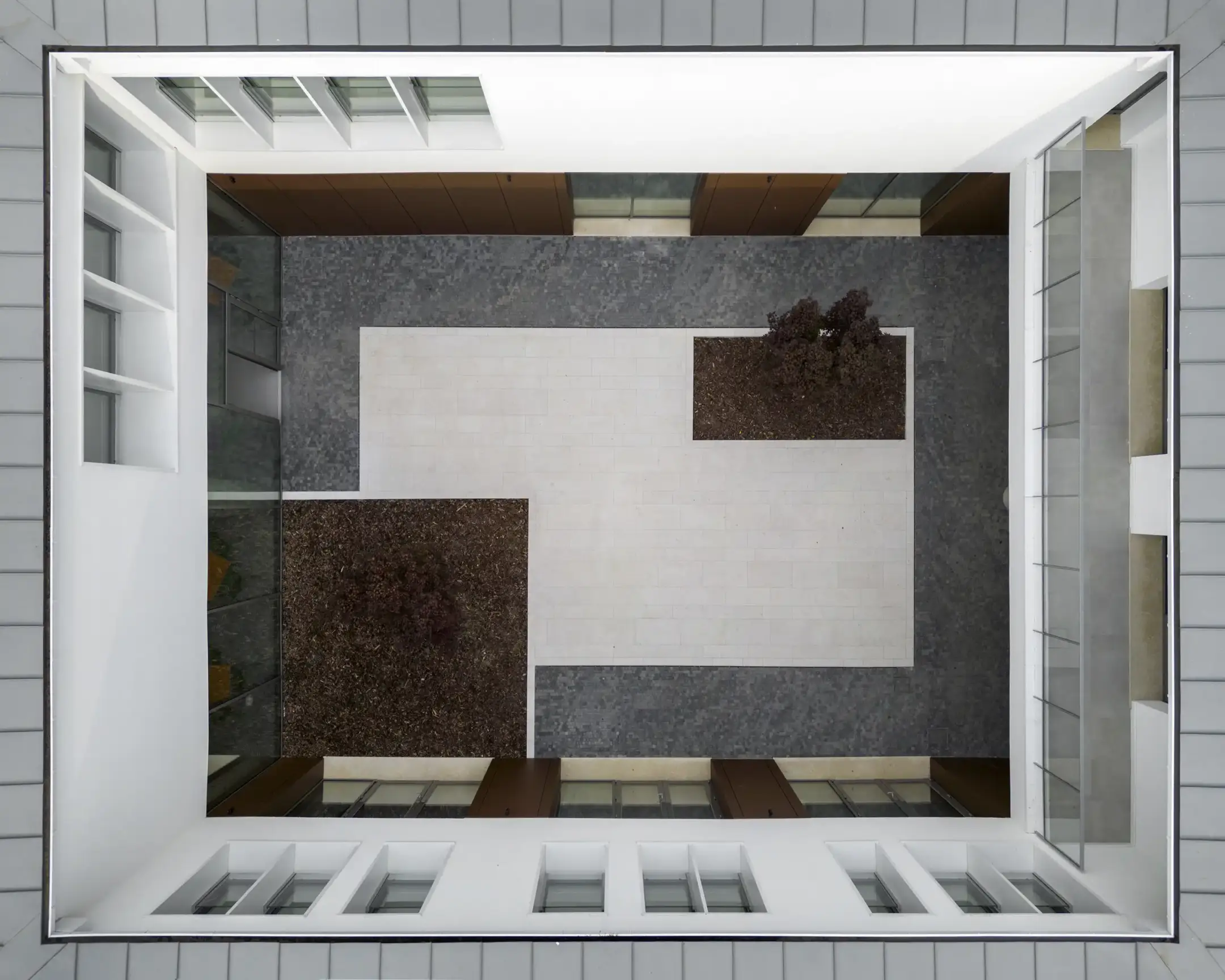
The functional programme integrates the activities of the Parish Centre and those of the Rectory House into one mixed-use building. Activities of public and collective character are organised on the ground floor and face the inner courtyards so as to favour permeability and the flow of external users, while activities related to pastoral ministry and residence are organised on the first floor.
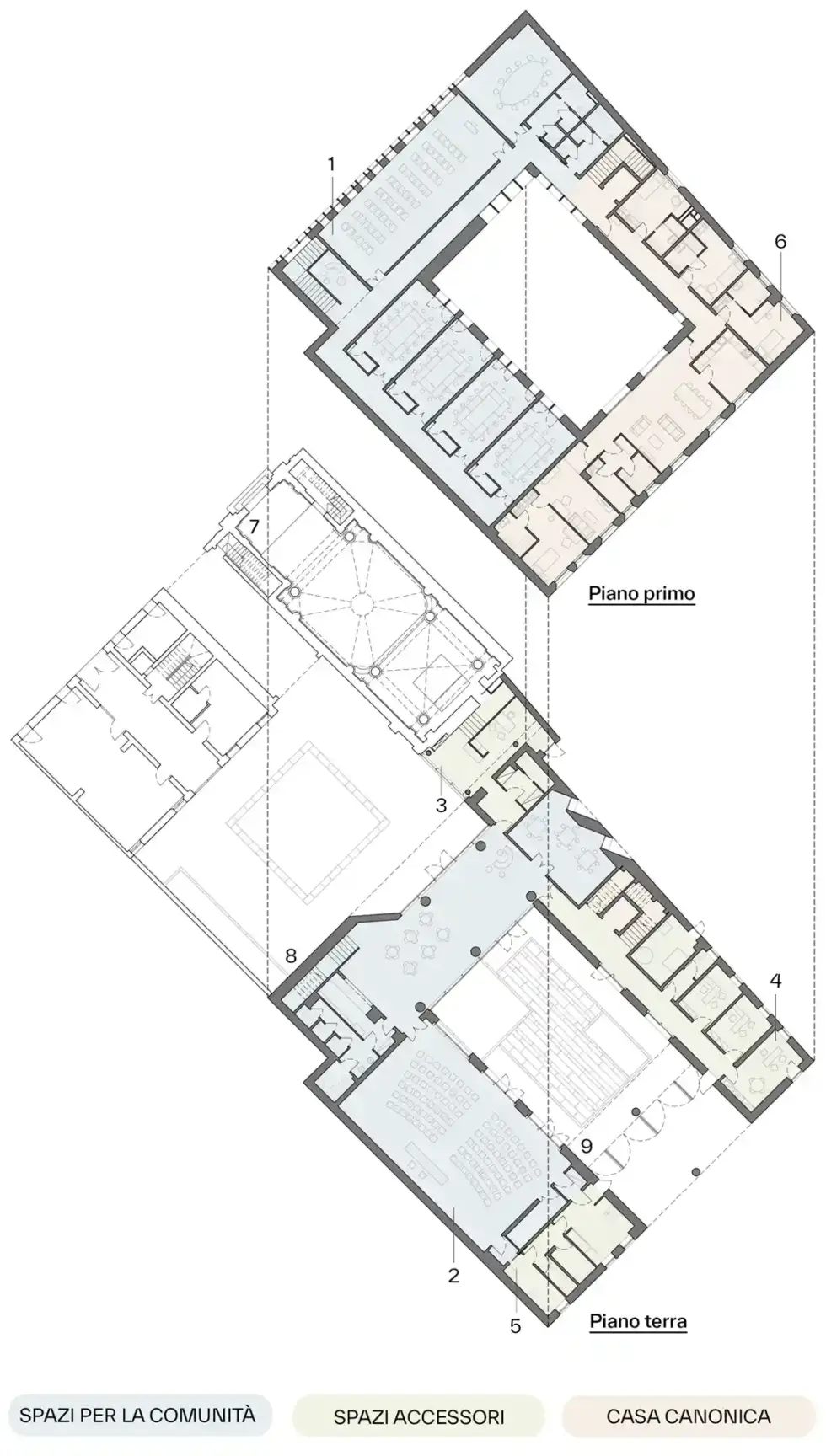
1. Pastoral ministry rooms 2. Parish hall 3. Sacristy 4. Offices 5. Kitchens 6. Ecclesiastical Accommodations 7. Church Of St. Roch 8. Cloister Of The Virgin 9. Oratory Courtyard
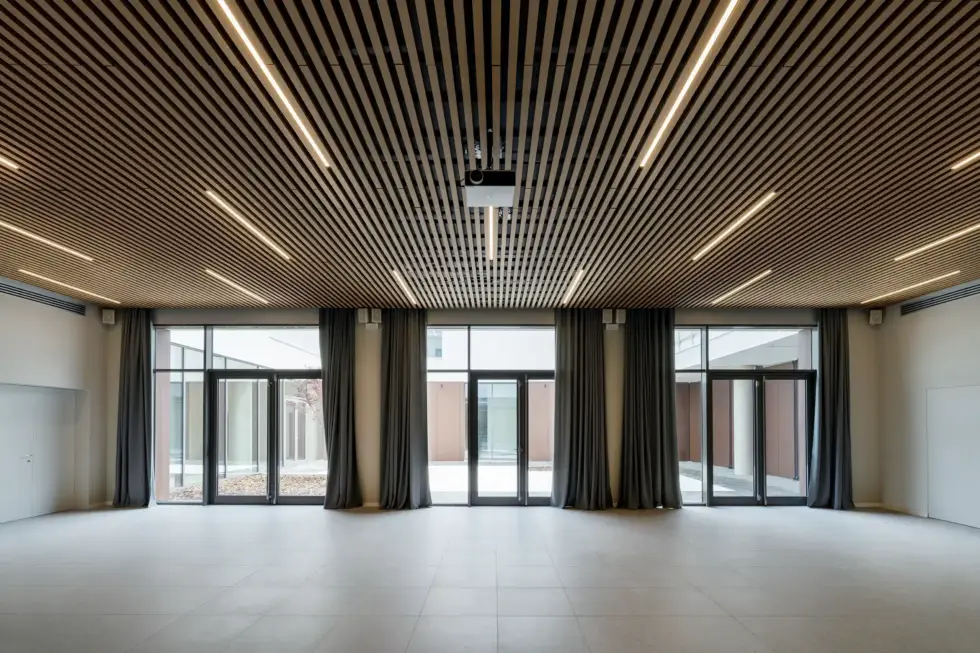
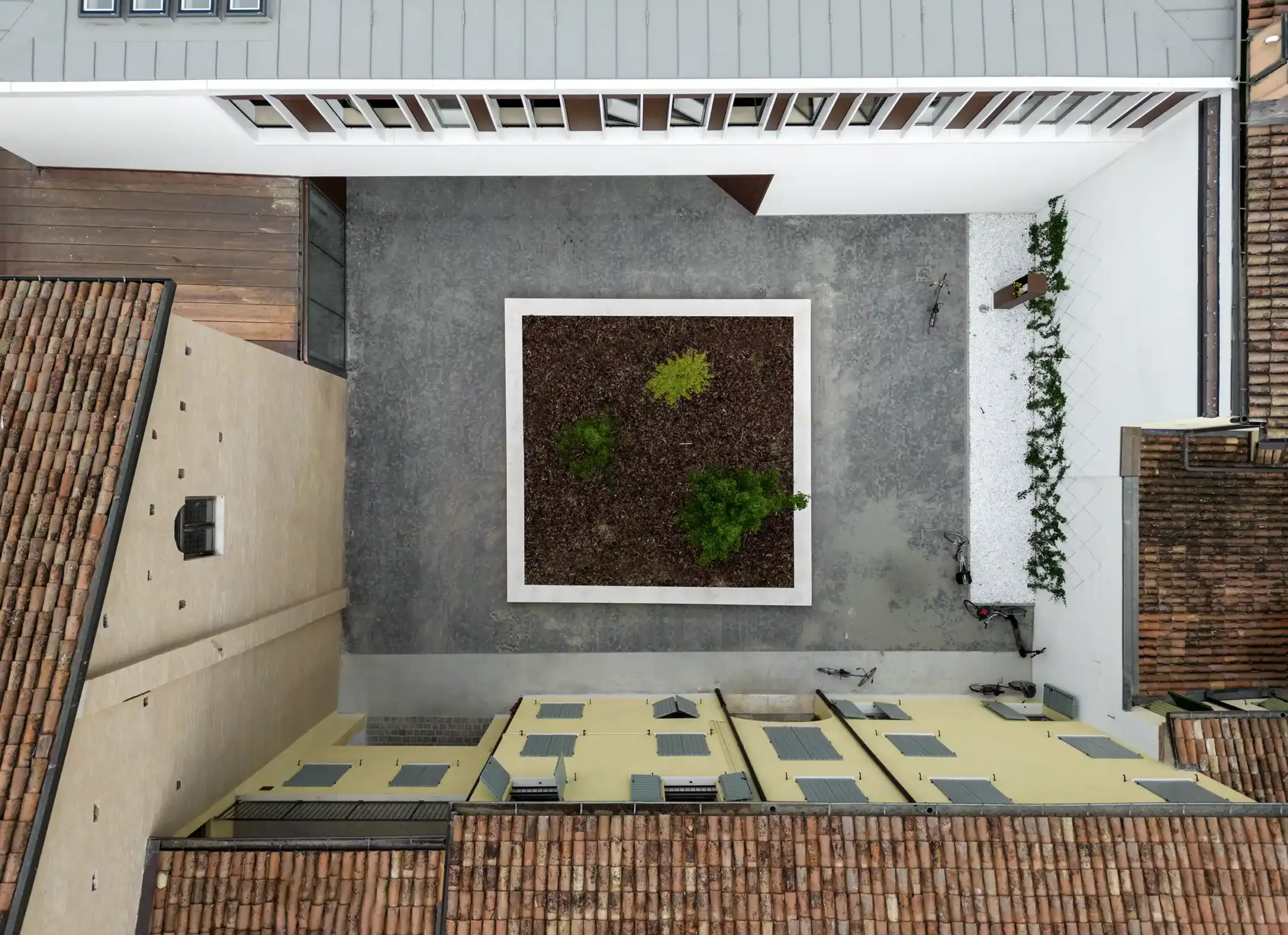
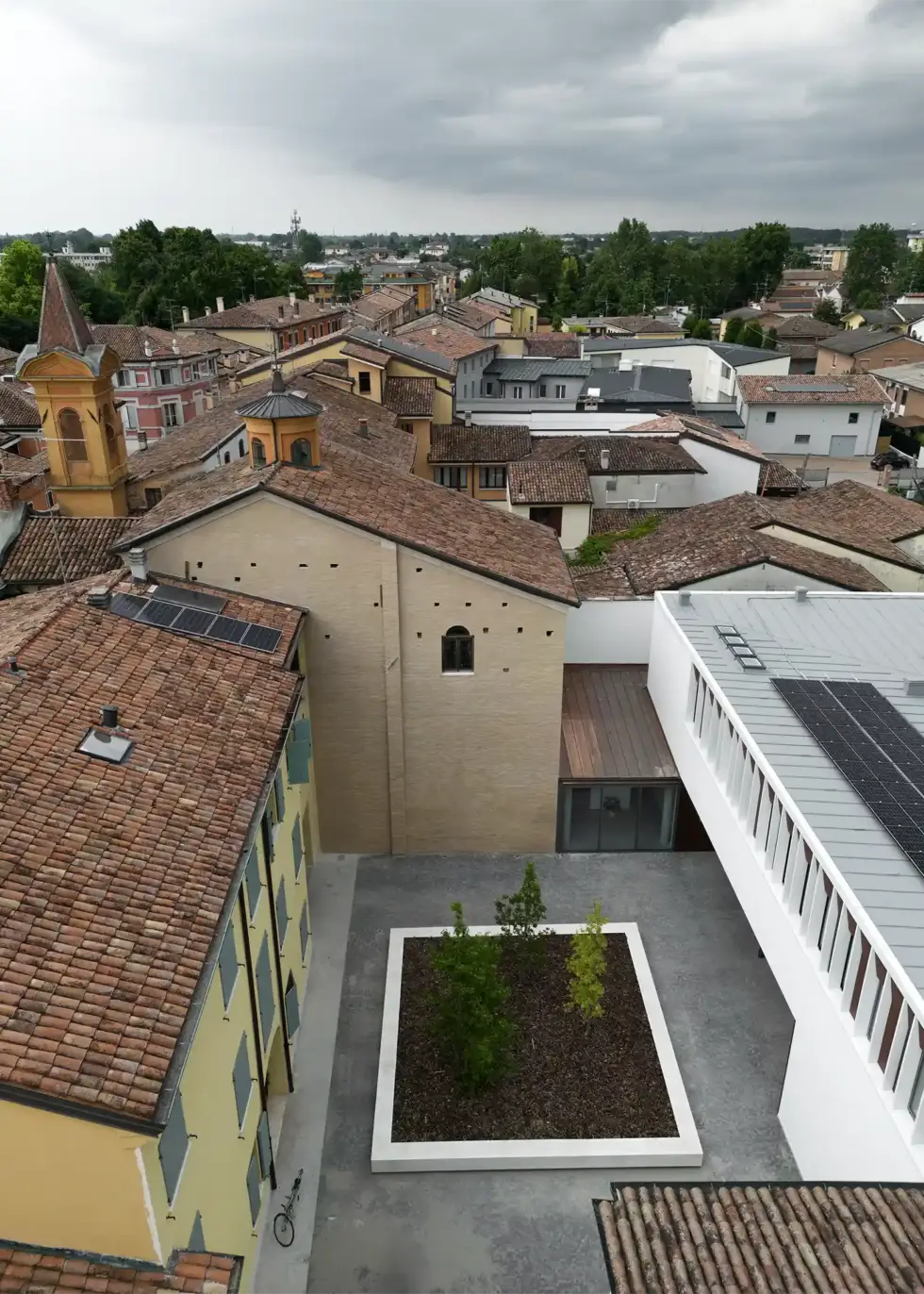
The architectural theme of the courtyard draws on the associative tradition deeply rooted in the Catholic religion. The new Parish Center becomes a space that promotes inclusion and a sense of belonging, while initiating a process of integrated urban regeneration that fosters social cohesion and strengthens community relations through the enhancement of public spaces.
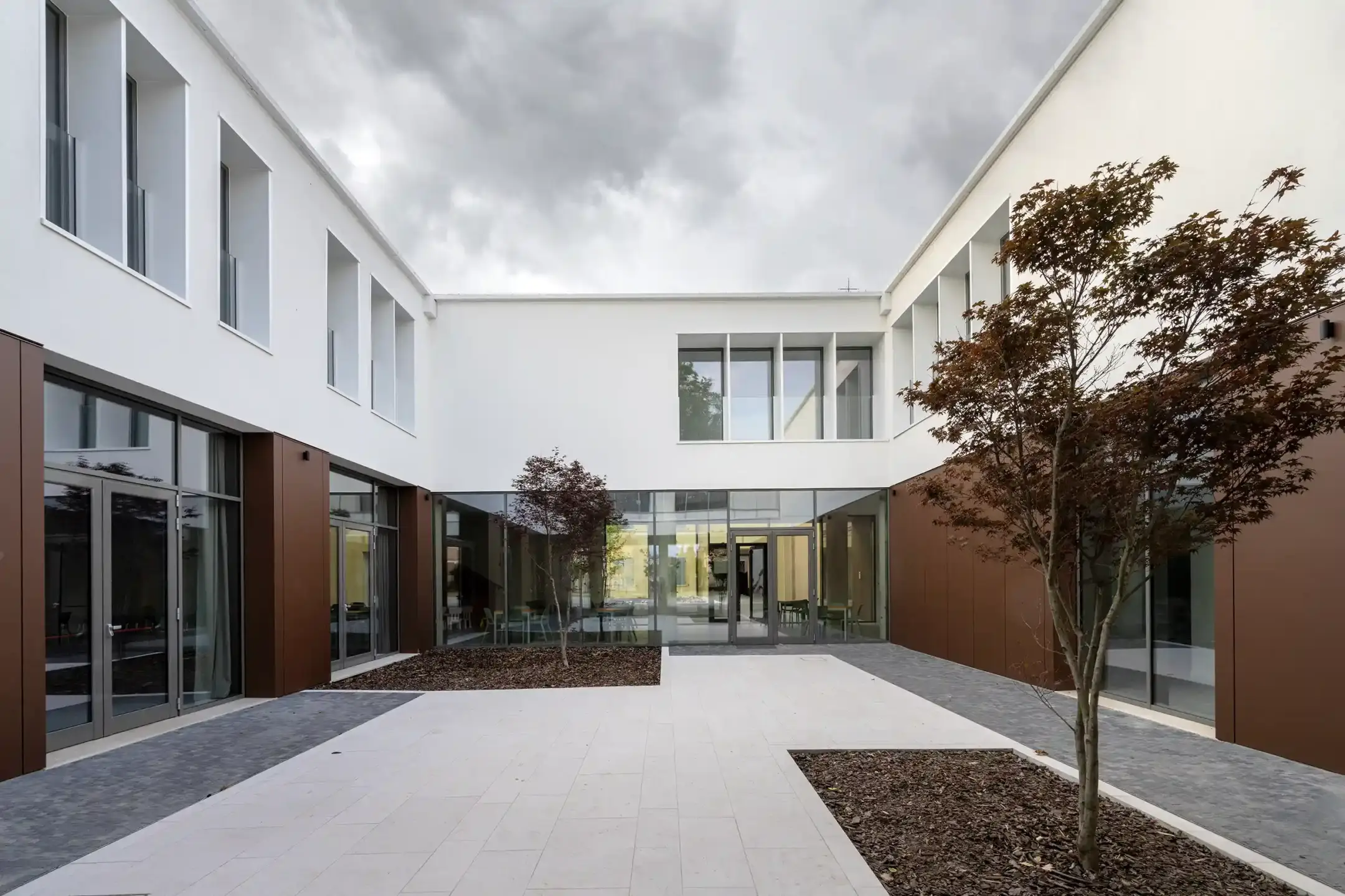
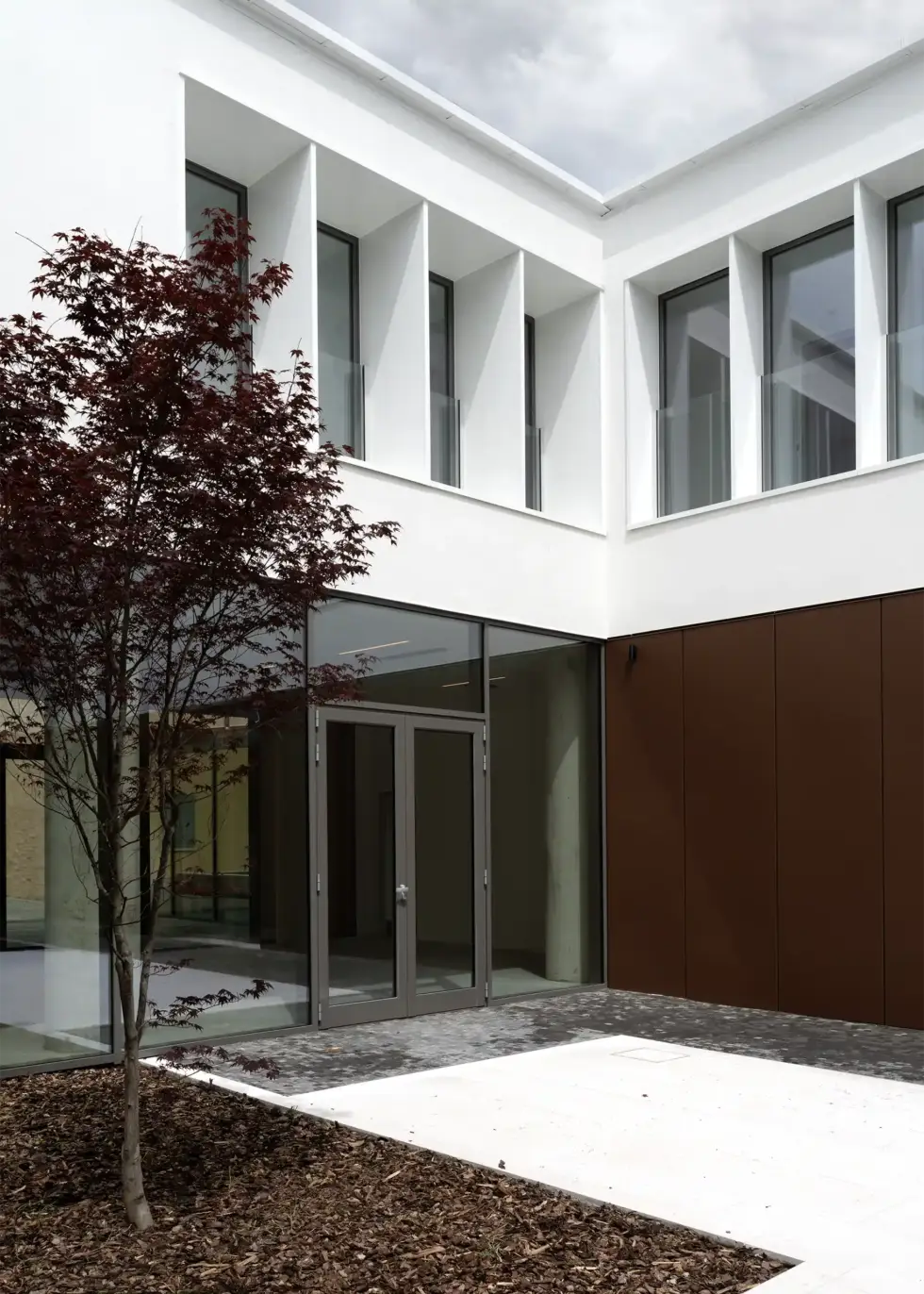
The project is characterised by three materials: corten, glass and white plaster. The chromatic and material register is established on a principle of continuity between interior and exterior and is echoed by the elements of vegetation that appear to play a sculptural role in the intimate space of the courtyards.